
Crowns, commonly known as ‘caps,’ serve as artificial restorations that cover and strengthen the remaining portion of a prepared tooth, mimicking the shape and resilience of a natural tooth. They prove to be an ideal solution for teeth that are broken, weakened by decay, or contain large fillings. Crowns are utilised for various purposes, such as enhancing the appearance of discoloured fillings, protecting teeth following root canal treatment, and providing stability to bridges or dentures. Offering both functionality and aesthetic appeal, crowns play a pivotal role in dental restoration.
These tooth restorations can be crafted from various materials, with continual advancements introducing new options. Dentists usually prepare the tooth by reshaping it to accommodate the crown, removing the outer surface while preserving a robust inner core.
Impressions of the prepared tooth or scanned images for those who don’t like impressions and adjacent teeth are taken, providing crucial information to the dental technician for crafting the crown. In certain root-filled teeth cases, placing a post might precede the crown to offer support and stability.
Crowns are an ideal restoration for teeth that have been broken or have been weakened by decay or a very large filling. A crown could be used for a number of other reasons, for instance:
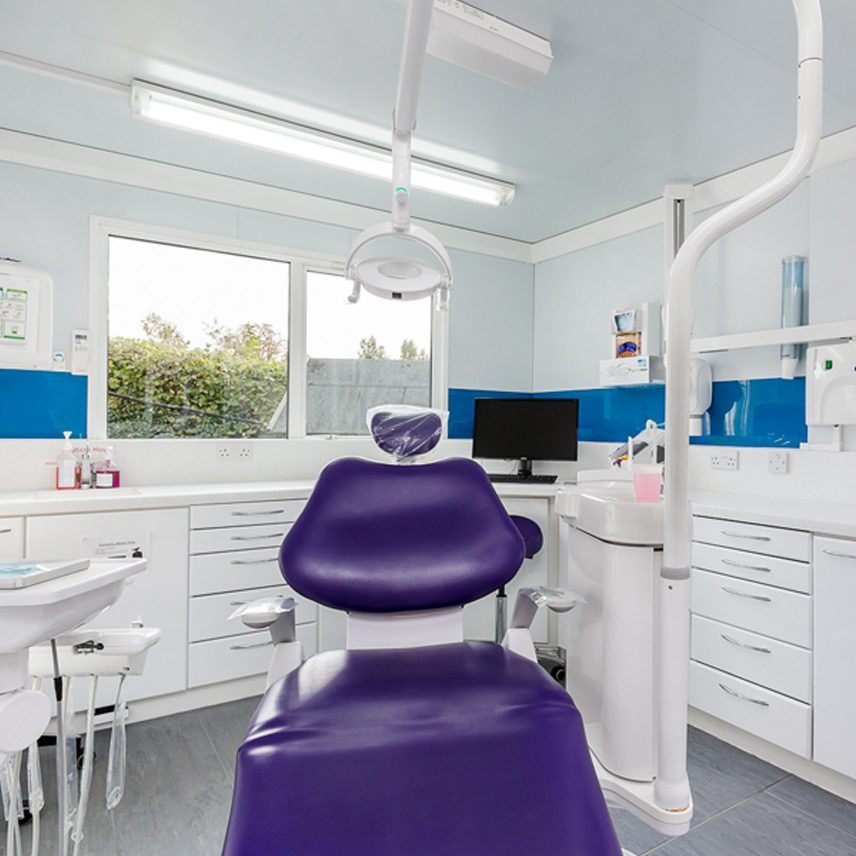
The dentist will prepare the tooth to the ideal shape for the crown. This will involve removing most of the outer surface and leaving a solid inner core. The amount of the tooth extracted will be the same as the thickness of the crown. Once the tooth is shaped, the dentist will take an impression (mould) of the prepared tooth, one of the opposite jaw and possibly another to mark the way you bite together. The impressions will then be given to the dental technician, along with an appropriate shade and other information needed for the crown to be made.
In root-filled teeth, it may be necessary to insert a post before placing a crown. A post provides support and helps the crown stay in place. The weakened crown of the tooth may be shortened to gum level. A post can be made of prefabricated stainless steel, which the dentist can fit directly into the root canal, or a custom-made post can be constructed by the dental technician to fit the shape of the prepared root canal accurately. The post is placed into the root canal and cemented in position, ready for the crown to be attached.


If a root-filled tooth is not completely broken down, it may be possible to build it up again using filling material. This ‘core’ is then prepared in the same way as a natural tooth, and the impressions are taken.
A temporary crown will be made so that you can use the tooth while you wait for the crown to be made. This crown may be more noticeable but is only a temporary measure.
The crown will be made to match your other teeth as closely as possible. The shade of the neighbouring teeth will be recorded to make sure that the colour looks natural and matches the surrounding teeth.
Because the shape of the crown will be slightly different from the shape of your tooth before it was crowned, you may be aware of it to begin with. Within a few days, it should feel fine, and you will not notice it. The crown may need some adjustment if your bite does not feel comfortable, and if this is the case, you should ask your dentist to check and adjust it.
Brenchley Dental
Are you in need of a dental crown in Brenchley? If so, look no further than the team here at Brenchley Dental. When you call us, we will answer any questions you may have, and book you in for a date that is convenient to you. We also provide orthodontist services.
Crowns are recommended for teeth that have experienced extensive damage, large fillings, or root canal treatment, as they provide strength and support. However, your dentist will assess the tooth’s condition to determine if a crown is the most suitable restoration.
The crown placement typically involves two visits. During the first visit, the tooth is prepared, impressions are taken, and a temporary crown is fitted. The second visit, usually after 1-2 weeks, involves checking the permanent crown. Local anaesthesia is used during the procedure, ensuring minimal discomfort.
Crowns are customised to match the colour and appearance of surrounding teeth, making them blend seamlessly. Dentists take precise shade measurements to ensure a natural-looking match, minimising the crown’s visibility.
Proper oral hygiene and regular dental check-ups are essential for the longevity of crowns. Decay can develop where the crown meets the tooth; maintaining good oral care is crucial. Additionally, the type of material used for the crown and the forces applied during biting and chewing can impact its lifespan.
In some cases, if a tooth isn’t severely damaged, it may be restored using fillings or inlays/onlays. However, a dentist will assess the extent of damage to determine the most appropriate restoration method, which may or may not involve crowns.