
The primary objective of minor oral surgery is to address specific dental concerns effectively while ensuring minimal discomfort and promoting swift recovery. These procedures are essential for alleviating pain, resolving infections, correcting dental issues such as misaligned or impacted teeth, and maintaining oral health. Minor oral surgeries are vital for preventing the progression of oral diseases, restoring functionality, and enhancing the aesthetics of the oral cavity, contributing significantly to a patient’s overall well-being and quality of life.
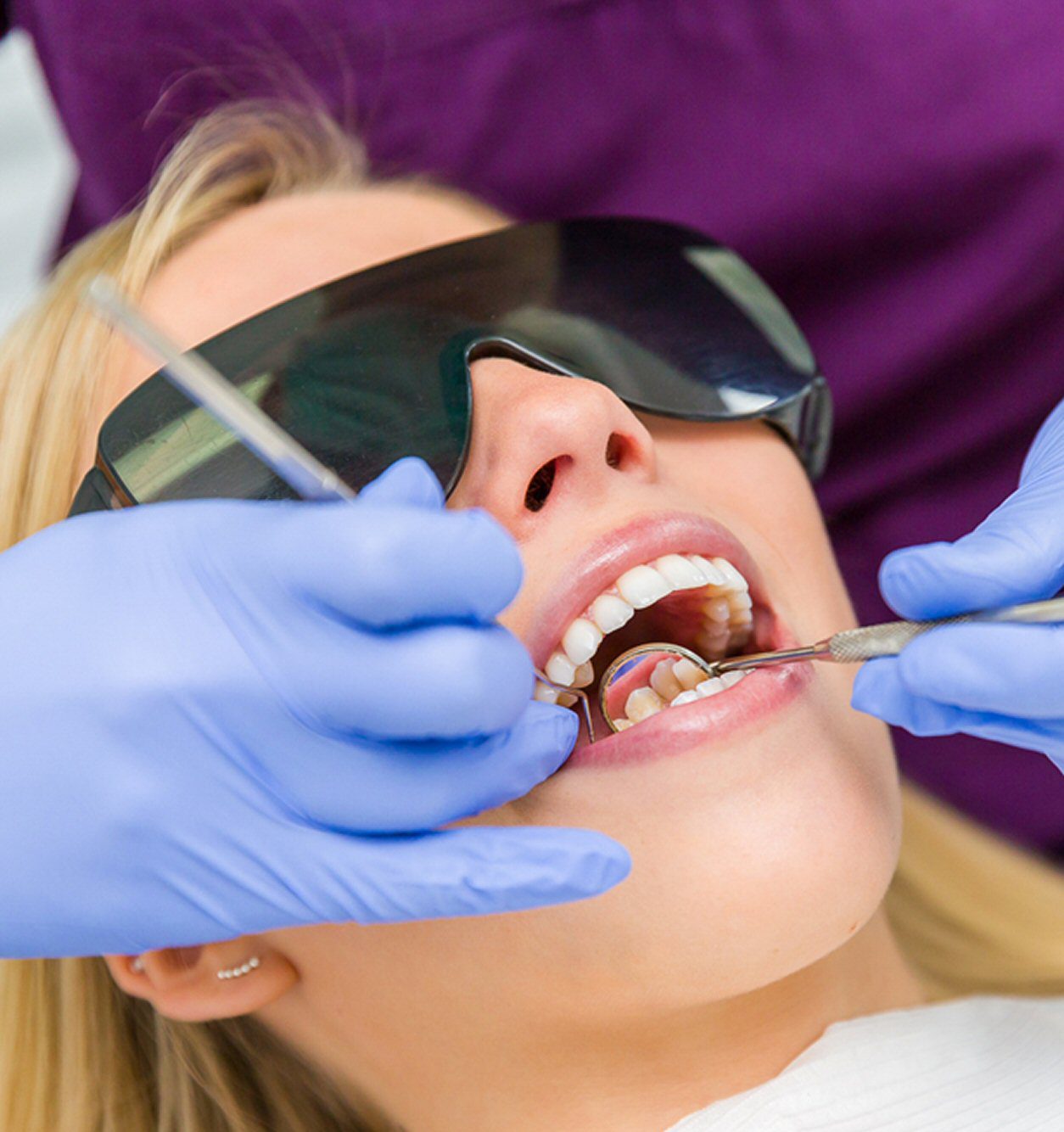
We offer a lot of dental treatment including minor oral surgery which is a set of dental procedures involving minor surgical intervention within the oral cavity. These procedures are performed by dentists or oral surgeons within our dental practice and encompass a range of treatments aimed at resolving various dental issues. Common examples of minor oral surgery procedure:
This surgeries usually involves surgical treatment techniques that are considered straightforward. They are performed in an outpatient setting, often using local anaesthesia to numb the specific area being treated. They are distinct from major oral surgeries, which usually involve more complex procedures and may necessitate general anaesthesia or hospitalisation.

Brenchley Dental
Should bleeding occur again after the initial post-operative period, apply pressure to the bleeding socket by biting down on a rolled handkerchief for about 30 minutes. If necessary, repeat the process by moistening the handkerchief. Anticipate temporary pain, swelling, and bruising, which typically diminish within three days post-treatment.
Manage pain and swelling by taking recommended painkillers for the initial 24 hours, transitioning to an as-needed basis. Ibuprofen and paracetamol are suitable options; however, avoid aspirin due to its potential to cause bleeding. Individuals with asthma should also refrain from ibuprofen usage due to its potential to exacerbate asthma symptoms.
Dan offers his expertise in minor oral surgeries to his regular and private patients, extending his specialised services to those seeking individualised care outside of standard offerings.
Whether you require a tooth extraction, dental implants, or other forms of minor oral surgery, Dan’s extensive experience ensures you receive the highest level of professional care.
This option is ideal for individuals prioritising convenience, quality, and a tailored approach to their dental health needs.
Rest for the remainder of the day following the procedure and abstain from strenuous physical activities or exercise. Refrain from alcohol consumption within the initial 24-hour period to minimise bleeding risk and promote efficient healing. Smoking should also be avoided for at least five days post-treatment, as it hampers recovery and heightens the likelihood of infection.
In some cases, individuals may notice small bone fragments emerging from the socket; this occurrence is normal and typically resolves without intervention. However, a ‘dry socket’ may develop, characterised by severe pain after a tooth extraction due to the breakdown of the blood clot. If this occurs, promptly seek dental assistance to clean the wound and apply a dressing, alleviating pain and reducing infection risk.
Ensuring proper care and attention following a dental procedure, especially after a tooth extraction or any minor oral surgery, is crucial for a swift and smooth recovery. Adhering to specific post-operative instructions significantly minimises discomfort, swelling, and tenderness. It promotes effective healing while reducing the risk of infection.
For more information on how to properly care for yourself after a dental procedure, please speak to your dentist. However, here are a few helpful tips:
After a tooth extraction, refrain from rinsing your mouth for at least 12 hours to facilitate the formation of a blood clot in the socket, aiding the healing process. Following this period, gently dissolve a teaspoon of salt in warm water and use this solution to rinse the mouth without vigorous gargling. Avoid disturbing the blood clot, as its displacement can impede the healing process.
Maintaining oral hygiene is vital. Continue your regular teeth-brushing routine, but avoid the treated area initially to prevent potential bruising or bleeding. Refrain from consuming food or beverages until the effects of local anaesthesia have subsided to prevent accidental injury to your cheeks, especially avoiding hot, cold, spicy, or tough foods that could agitate the sensitive area.
Brenchley Dental
If you would like to book an appointment for minor oral surgery in Brenchley, please contact our local dental practice today. We’re always here to take your call, answer any questions that you may have, and to book you in for your appointment.
Some bleeding post-extraction is normal. Apply gentle pressure with a handkerchief to control bleeding; however, if bleeding persists excessively, seek immediate dental attention.
Yes, continue brushing your teeth safely, but avoid the treated area initially to prevent any disruption to the healing process.
Severe pain post-extraction might indicate a ‘dry socket.’ Contact your dentist promptly to address this issue.
It is advisable to refrain from smoking for at least five days post-treatment to promote optimal healing and reduce infection risk.
Ibuprofen and paracetamol are effective for managing pain and can be bought over the counter, however, you should consult your dentist if you are experiencing a lot of pain.